Why Farm Fencing Matters for Cattle and Poultry Operations
Whether you're running a small homestead or a larger agricultural operation in Fayetteville and the surrounding areas, proper farm fencing is essential to the health and safety of your livestock. A well-constructed farm fence serves multiple critical purposes: it contains your animals, prevents predators from accessing your herd or flock, defines property boundaries, and creates organized grazing areas that promote better land management. Without reliable fencing, you risk losing valuable animals to escape or predation, which can quickly become costly.
The unique climate and terrain of Washington and Benton Counties present specific challenges for agricultural property owners. The region experiences seasonal weather changes that can stress fencing materials, and the rolling topography requires careful planning during installation. Cattle and poultry have different behavioral patterns and physical capabilities, meaning a fence designed for one species may not adequately contain another. Understanding these distinctions helps you choose the right fencing solution for your operation and ensures your investment protects your livestock for years to come.
Understanding Cattle Fence Requirements and Options
A cattle fence must be sturdy enough to withstand the weight and pressure of large animals while remaining cost-effective for property owners managing multiple acres. Cattle are powerful animals that can lean on fencing, test weak spots, and potentially break through substandard materials. The height, spacing, and material composition of your cattle fence directly impact its effectiveness. Most cattle operations require fencing between 4 and 5 feet tall, with posts set deep enough to resist the lateral force that cattle naturally exert as they move along fence lines.
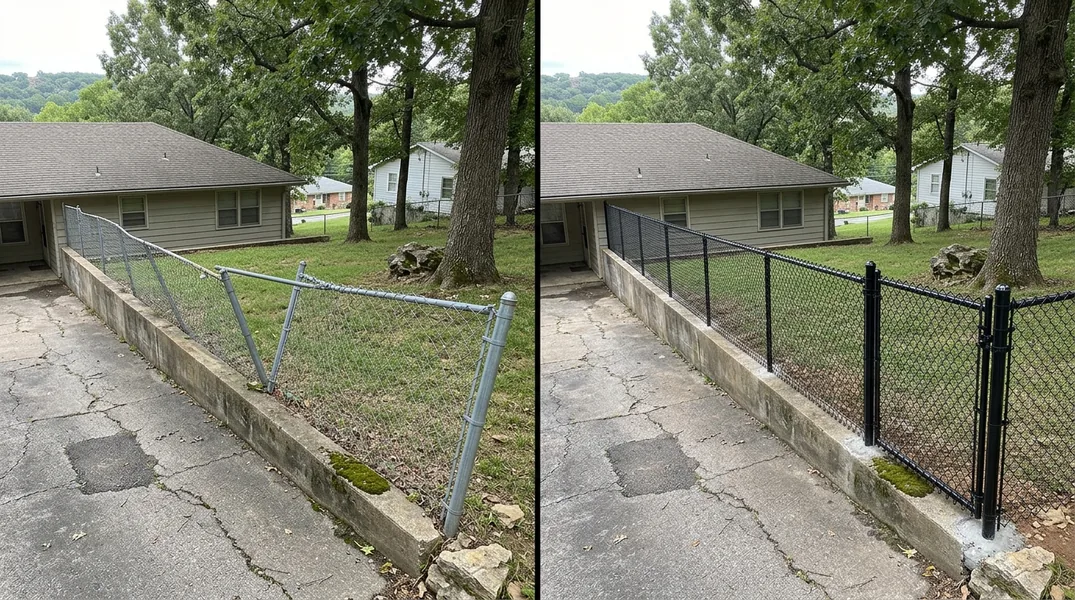
When selecting a cattle fence, you have several material options to consider. Traditional Wood & Privacy Fence Installation remains popular in rural areas because it's visible to livestock, relatively affordable, and can be customized to your property's aesthetic. However, wooden fencing requires regular maintenance to prevent rot and deterioration. Chain Link Fence Installation offers a durable alternative that requires less maintenance, though it may not provide the psychological containment that cattle respond to with solid fencing. For operations in Bentonville and surrounding communities, many farmers combine materials, using wooden posts with wire or cable running between them to achieve both visibility and strength while managing costs.
Field Wire Fencing: The Backbone of Agricultural Containment
Field wire fencing is one of the most practical and economical solutions for large-scale livestock operations. This type of fencing typically consists of horizontal wires stretched between sturdy wooden or metal posts, creating a barrier that contains cattle while allowing visibility across your property. The spacing between wires is carefully calculated to prevent animals from pushing through or getting their heads stuck, which is a serious safety concern for any livestock operation. Field wire fencing works particularly well for cattle because the animals quickly learn the fence's presence and respect it even if the wire alone might not physically stop a determined animal.
The installation of field wire fencing requires precision and expertise. Posts must be set at appropriate intervals (typically 6 to 8 feet apart for cattle operations), with corner posts and gate posts reinforced with diagonal bracing or concrete footings to handle the tension created by stretched wire. The wire itself comes in various gauges and materials, including galvanized steel, which resists rust and extends the lifespan of your fencing system. For poultry operations, field wire fencing can be modified with smaller mesh sizes to prevent predators like hawks and raccoons from accessing your birds. The versatility of field wire fencing makes it an excellent choice for mixed operations or properties that may house different types of livestock over time.
Poultry Fencing Considerations in Washington and Benton Counties
Poultry fencing presents unique challenges compared to cattle containment because birds are vulnerable to predation from multiple angles, including from above. While cattle fencing focuses primarily on horizontal containment, poultry fencing must also address vertical threats and small predator access points. Chickens, turkeys, ducks, and other poultry require fencing with smaller mesh openings, typically one-half inch or smaller, to prevent predators from reaching through or pulling birds toward the fence line. Additionally, many poultry operations benefit from covered runs or enclosed areas that protect birds from aerial predators like hawks and owls.
The material choices for poultry fencing differ somewhat from cattle applications. While field wire can be adapted for poultry use, many farmers prefer specialized poultry netting or hardware cloth combined with wooden frames for better predator protection. The fencing must be buried several inches below ground level or bent outward at the base to prevent digging predators from tunneling underneath. In the Fayetteville area, where wildlife is abundant, taking these extra precautions significantly reduces losses to predation and provides peace of mind for poultry operations of any size.
Professional Farm Fence Installation Near Me: When to Call an Expert
While some property owners attempt DIY fence installation, agricultural fencing presents complexities that benefit from professional expertise. Proper post spacing, depth, alignment, and tension are critical to creating a fence that functions effectively and lasts for decades. Professional installers have the equipment, knowledge, and experience to navigate the terrain of Washington and Benton Counties, including rocky soil, slopes, and drainage considerations that affect fence longevity. They understand local building codes and property line requirements, helping you avoid disputes with neighbors and ensuring your fencing meets any applicable regulations.
Fayetteville Fence Contractors specializes in agricultural fencing solutions tailored to your specific operation. Whether you need a new cattle fence, expanded field wire fencing, or poultry protection, our team can assess your property and recommend the most cost-effective solution. We handle everything from initial planning through final installation, ensuring your fencing is built to last. Contact us at (479) 480-5456 or visit our website to schedule a free estimate and discuss your agricultural fencing needs with our experienced team.
Farm Fence Cost and Budgeting for Your Agricultural Property
Understanding farm fencing pricing helps you make informed decisions about your agricultural investment. The cost of farm fencing varies significantly based on material selection, property size, terrain difficulty, and local labor rates. Field wire fencing typically offers the most economical option per linear foot, making it ideal for large properties where you need to fence multiple acres. Wooden fencing costs more upfront but provides excellent visibility and aesthetic appeal, while specialized poultry fencing may require additional investment for predator protection features. Most property owners find that the cost of proper fencing is quickly offset by the value of protected livestock and the peace of mind that comes with secure containment.
When budgeting for your farm fencing project, consider both immediate installation costs and long-term maintenance expenses. Wooden fencing requires periodic staining or sealing to prevent weather damage, while field wire fencing needs occasional tension adjustments and rust treatment. Professional installation typically costs more than DIY approaches but often proves more economical over time because properly installed fencing requires less maintenance and lasts longer. Fayetteville Fence Contractors provides transparent pricing and detailed estimates so you understand exactly what your project will cost before work begins. Call (479) 480-5456 today to discuss your budget and explore fencing options that fit your financial parameters.
Looking for a professional tree service in Fayetteville? Fayetteville Fence Contractors responds fast for all your fence needs.
Get a Free Quote