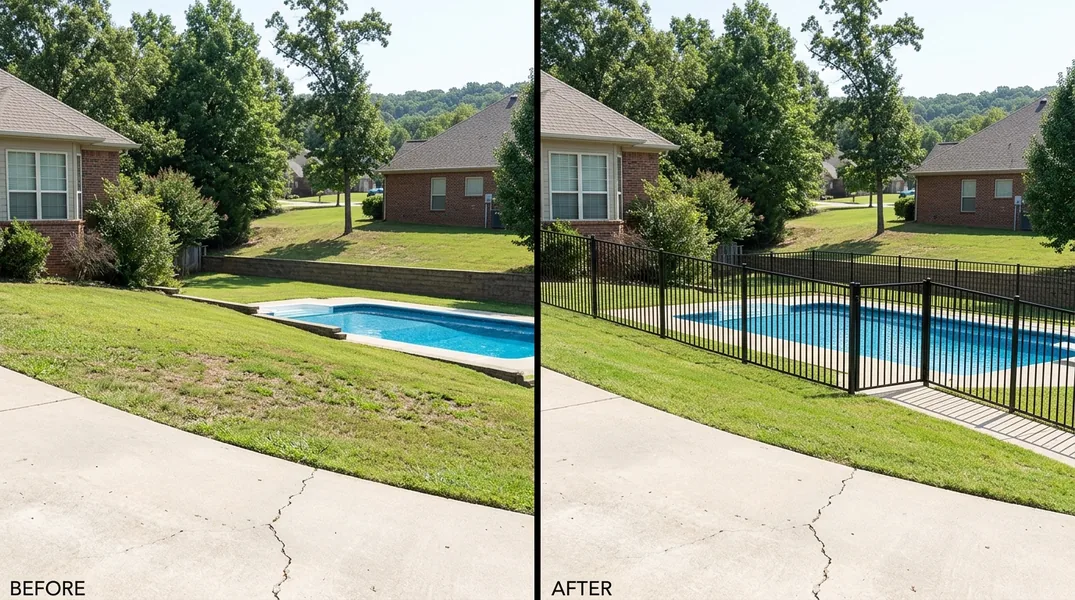
Understanding HOA Fence Rules in Bentonville, Rogers, and Centerton
If you own a home in a homeowners association (HOA) community across Bentonville, Rogers, or Centerton, you already know that HOA guidelines govern many aspects of your property. What you may not realize is how restrictive these rules can be when it comes to fencing. Many homeowners are surprised to learn that their dream fence design violates community standards, leading to costly delays or even the need to remove a newly installed fence.
HOA fence rules exist for a reason: they help maintain property values, preserve the aesthetic appeal of the community, and ensure consistency throughout neighborhoods. However, the specific regulations vary significantly from one HOA to another. In Fayetteville and surrounding communities, you'll find HOAs with vastly different fence approval processes and standards. Before you contact a fence contractor or invest in materials, understanding your HOA's specific requirements is essential to avoiding expensive mistakes and frustration.
What to Check First: Your HOA Governing Documents
The first and most critical step is reviewing your HOA's governing documents, which typically include the Covenants, Conditions, and Restrictions (CC&R) and any architectural guidelines. These documents contain the rules that all property owners must follow, including fence specifications. Your HOA should have provided you with these documents when you purchased your home, but if you can't locate them, contact your HOA management company or board directly. Many HOAs now post their documents online, making it easier to access the information you need.
When reviewing your HOA documents, look for sections specifically addressing fencing. Pay close attention to details such as permitted materials, maximum height allowances, setback requirements from property lines, and any restrictions on fence placement near sidewalks or streets. Some HOAs are very prescriptive, specifying exact materials like cedar or vinyl, while others are more flexible. Additionally, check whether your HOA requires architectural approval before installation begins. This approval process is crucial because proceeding without it could result in fines, cease-and-desist orders, or demands to remove your fence entirely. If your documents are unclear or you have questions, don't hesitate to reach out to your HOA board or management company for clarification before moving forward with any Wood & Privacy Fence Installation project.
Fence Color Rules and Material Restrictions
One of the most commonly regulated aspects of HOA fencing is fence color rules. Many HOAs restrict fence colors to natural, neutral tones to maintain a cohesive neighborhood appearance. In communities across Bentonville, Rogers, and Centerton, you'll frequently find restrictions limiting fences to earth tones like brown, tan, gray, or black. Some HOAs specify that wood fences must remain a natural wood color or be stained rather than painted. If you're considering a bright color or unconventional design, your HOA likely won't approve it, regardless of how attractive you find it.
Material restrictions often go hand in hand with color guidelines. While some HOAs embrace modern options like Vinyl & PVC Fence Installation, others strictly require traditional wood or Aluminum & Ornamental Iron Fencing. Chain Link Fence Installation is rarely approved in upscale HOA communities due to its utilitarian appearance, though some communities allow it with specific color requirements. Before you fall in love with a particular fence style or material, verify that it meets your HOA's standards. This step alone can save you thousands of dollars and weeks of frustration. Understanding these restrictions early in your planning process ensures that any fence contractor you hire can work within your community's guidelines from the start.
Height Restrictions and Setback Requirements
HOA fence height restrictions are another critical factor that varies by community. While many municipalities allow fences up to six feet in height, your HOA may impose stricter limits. Some communities restrict front-yard fences to three or four feet, while permitting taller fences in backyards. These restrictions exist to maintain sightlines, prevent the community from appearing fortress-like, and preserve the open feel that many HOAs value. In addition to height limits, HOAs often specify setback requirements, which determine how far your fence must be positioned from your property line, the street, or neighboring properties.
Setback requirements can significantly impact where you can actually install your fence. For example, your HOA might require a fence to be set back three feet from the front property line, which means your usable fence line is actually three feet inside your property. Similarly, some communities require fences to be set back from sidewalks or public rights of way to maintain pedestrian access and sight lines for traffic safety. Failing to account for these setback requirements can result in having to move or remove your fence after installation, creating unnecessary expense and delay. When you contact a professional fence contractor for a free estimate, make sure they understand your HOA's specific height and setback requirements so they can provide an accurate assessment of what's possible on your property.
The Fence Approval Process and Timeline
Most HOAs require formal architectural approval before any fence installation begins. This process typically involves submitting an application or request form to your HOA management company or architectural review committee, along with detailed plans showing the fence location, materials, colors, height, and design. The review process can take anywhere from a few days to several weeks, depending on how quickly your HOA board meets and how thorough their review is. Some communities have streamlined approval processes for pre-approved fence styles, while others require detailed architectural drawings for any fence project.
Understanding your HOA's approval timeline is essential for planning your project. If you're hoping to install your fence by a specific date, factor in the approval process before contacting contractors. Some HOAs will deny requests that don't meet their standards, requiring you to modify your plans and resubmit. Others may ask for additional information or clarification before making a decision. By knowing what to expect and providing complete, accurate information in your initial application, you can expedite the process. Once you receive approval, you'll have written documentation that your chosen fence design complies with HOA rules, which protects you and any contractor you hire. If you need guidance navigating the approval process or want recommendations from experienced contractors familiar with local HOA requirements, Fayetteville Fence Contractors can help. Call us at (479) 480-5456 to discuss your project and learn how we can streamline the process for you.
Common HOA Fence Violations and How to Avoid Them
Even with the best intentions, homeowners sometimes inadvertently violate their HOA fence rules. The most common violations include installing a fence without prior approval, using prohibited materials or colors, exceeding height restrictions, and failing to maintain proper setbacks. In some cases, HOAs discover violations only after a fence is already installed, which can result in expensive removal and reinstallation. Other violations emerge over time, such as when a fence deteriorates and requires staining or painting, but the homeowner uses an unapproved color.
To avoid these costly mistakes, take a systematic approach before breaking ground on any fencing project. First, obtain and carefully review your HOA documents. Second, contact your HOA management company to confirm you understand the rules correctly. Third, submit a formal approval request with detailed plans and photos if required. Fourth, wait for written approval before hiring any contractor or purchasing materials. Finally, work with a reputable fence contractor who has experience with HOA communities and understands the importance of compliance. Fayetteville Fence Contractors has installed fences throughout HOA communities in the region and can help ensure your project meets all requirements. Whether you're interested in Wood & Privacy Fence Installation or exploring other options, we'll guide you through the approval process and deliver a fence that enhances your property while keeping you in good standing with your HOA. Contact us today at (479) 480-5456 or visit our website to request a free estimate.
Looking for a professional tree service in Fayetteville? Fayetteville Fence Contractors responds fast for all your fence needs.
Get a Free Quote